Typhoon IN-FA
Updated October 26, 2026 at 18:00 UTC
Located at 14.1°N, 162.6°E
Minimum Pressure: 949 mb
Maximum Winds: 110 kt
Current Conditions


Forecasts


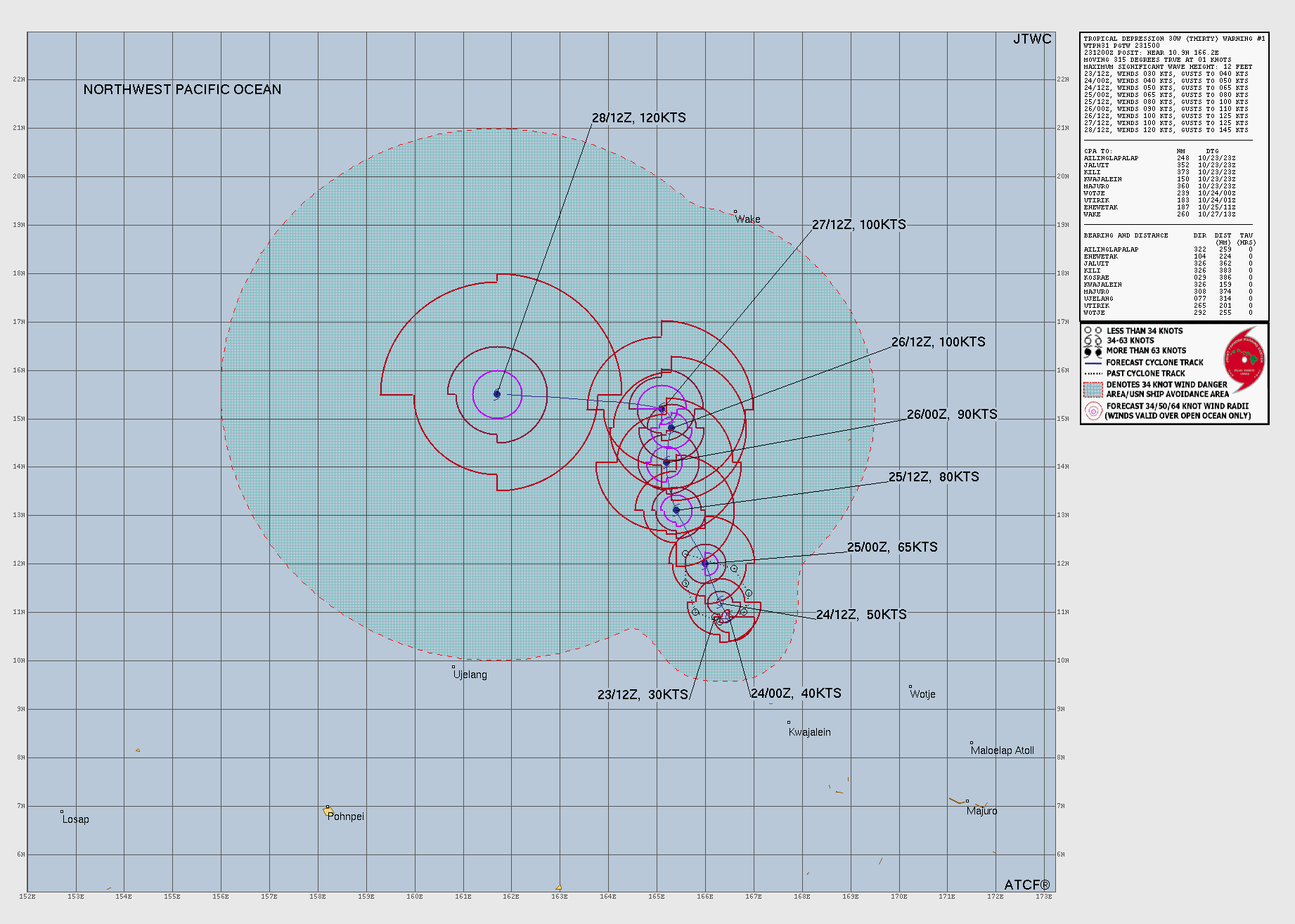
Storm History


Cyclone ARNAB
Updated October 26, 2026 at 18:00 UTC
Located at 16.0°N, 85.8°E
Minimum Pressure: 972 mb
Maximum Winds: 80 kt
Current Conditions


Forecasts


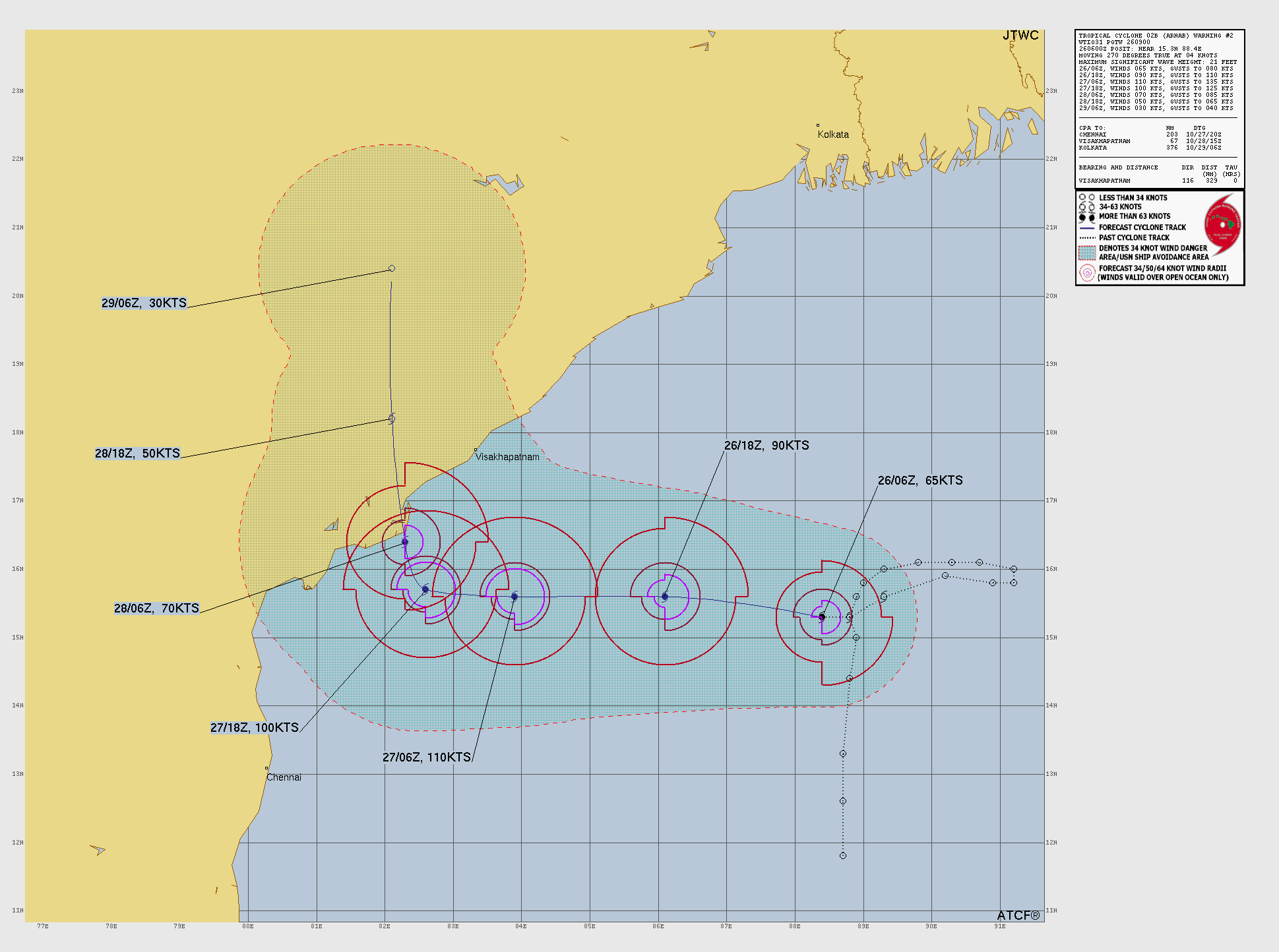
Storm History


Tropical Storm VANCE
Updated October 26, 2026 at 18:00 UTC
Located at 15.4°N, 105.9°W
Minimum Pressure: 997 mb
Maximum Winds: 55 kt
Radius of Maximum Wind: 20 nm
Environmental Pressure: 1011 mb
Storm Radius: 190 nm
Formerly Invest 94E
Current Conditions


Forecasts


Storm History


Remnants of CHAMPI
Updated October 26, 2026 at 06:00 UTC
Located at 31.8°N, 130.3°E
Minimum Pressure: 1006 mb
Maximum Winds: 35 kt
Current Conditions


Forecasts


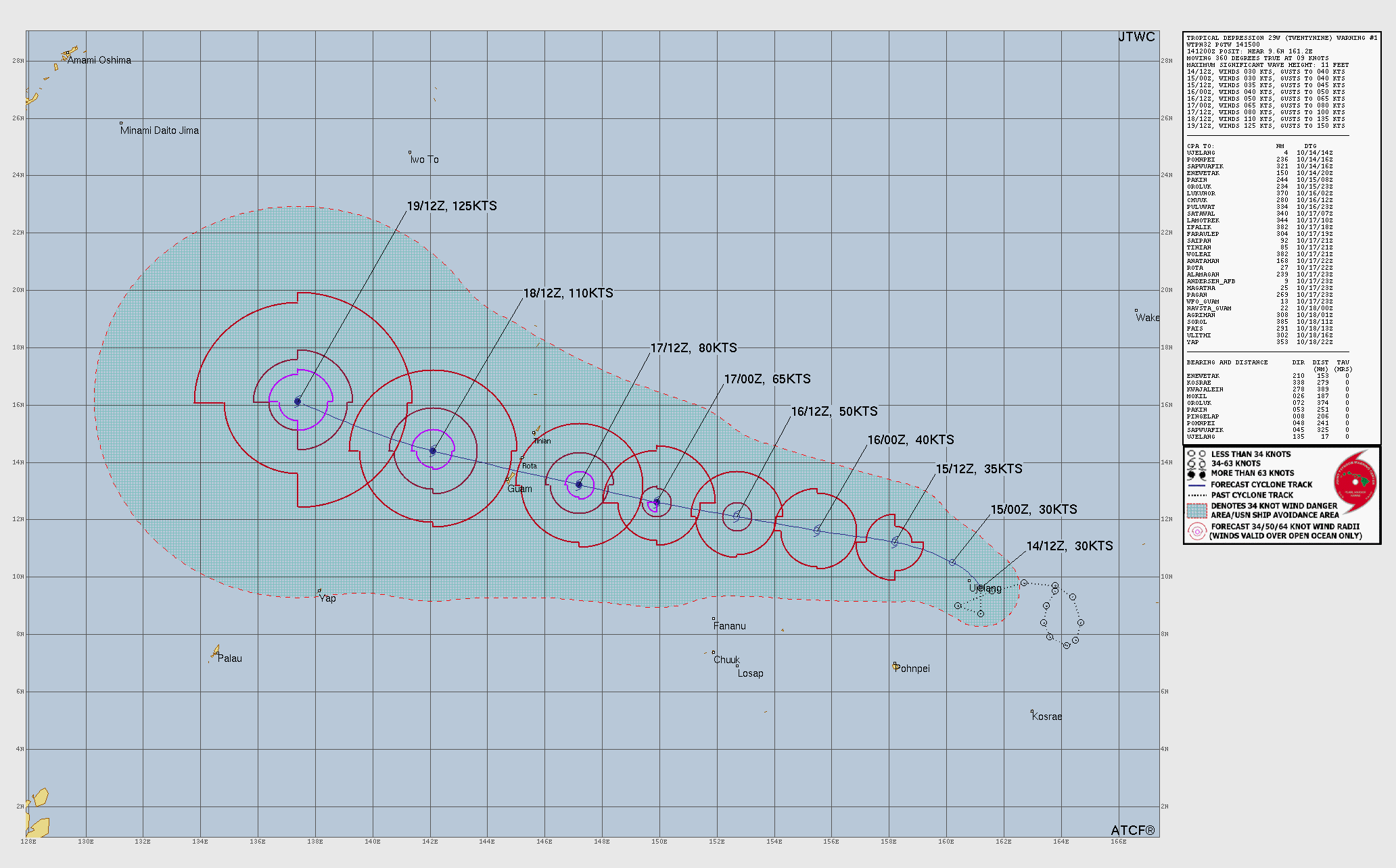
Storm History


Tropical Depression OLANA
Updated October 26, 2026 at 18:00 UTC
Located at 13.7°N, 176.7°W
Minimum Pressure: 1007 mb
Maximum Winds: 30 kt
Radius of Maximum Wind: 120 nm
Environmental Pressure: 1010 mb
Storm Radius: 200 nm
Current Conditions


Forecasts


Storm History


This page uses data from the National Hurricane Center (NHC) and Joint Typhoon Warning Center (JTWC), with best track files through the Automated Tropical Cyclone Forecast (ATCF) system. Microwave imagery courtesy of the U.S. Naval Research Laboratory.